How to Evaluate Used Tools Before Bidding: A Buyer’s Checklist


Understanding the Importance of Evaluating Used Tools
When it comes to acquiring used tools, thorough evaluation is critical. Whether you’re a professional contractor or a DIY enthusiast, ensuring the tools you purchase are in good condition can save you time and money. Before you place a bid, it’s essential to assess their quality and functionality.
Used tools can be a cost-effective alternative, but they come with their own set of risks. Evaluating them properly helps mitigate these risks, ensuring you get the best value for your investment.
Visual Inspection: The First Step
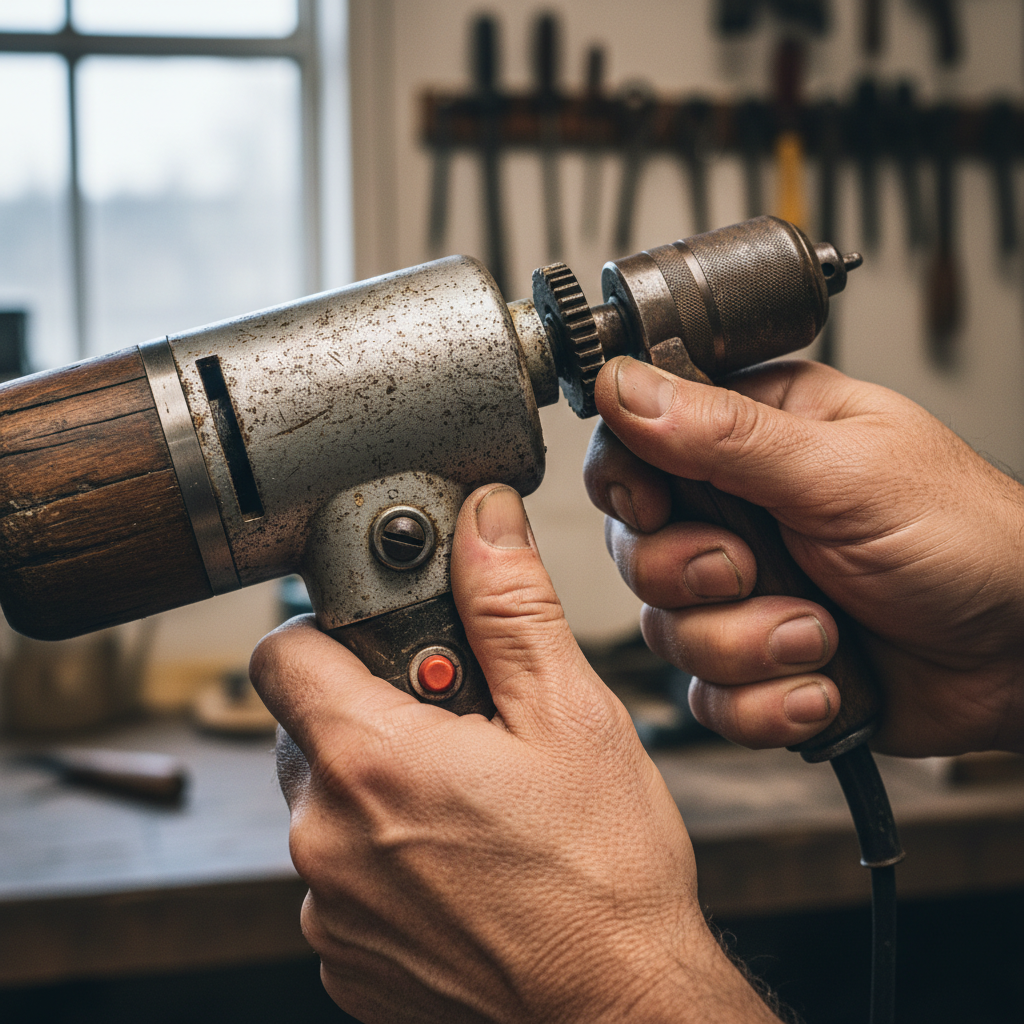
Start with a comprehensive visual inspection. Look for signs of wear and tear, such as rust, cracks, or dents. These can be indicators of how well the tool was maintained by its previous owner. Pay special attention to moving parts, which are prone to wear.
Check for any missing components. Even a small missing part can render a tool useless. If possible, compare the tool with a new model to ensure all parts are intact. This step can help you determine if the tool is worth further consideration.
Inspecting for Manufacturer Information
Look for manufacturer labels or serial numbers. This information can provide insights into the tool’s age and model, helping you verify its authenticity. It also assists in determining if replacement parts are readily available, which can be crucial for future repairs.

Testing Functionality
Whenever possible, test the tool to ensure it functions correctly. Plug in power tools to see if they operate smoothly. For hand tools, check for smooth movements and ease of use. Functional testing can reveal hidden issues that a visual inspection might miss.
If you’re unable to test the tool yourself, ask the seller for a demonstration. Seeing the tool in action can provide peace of mind and help you make an informed decision.
Researching Market Value
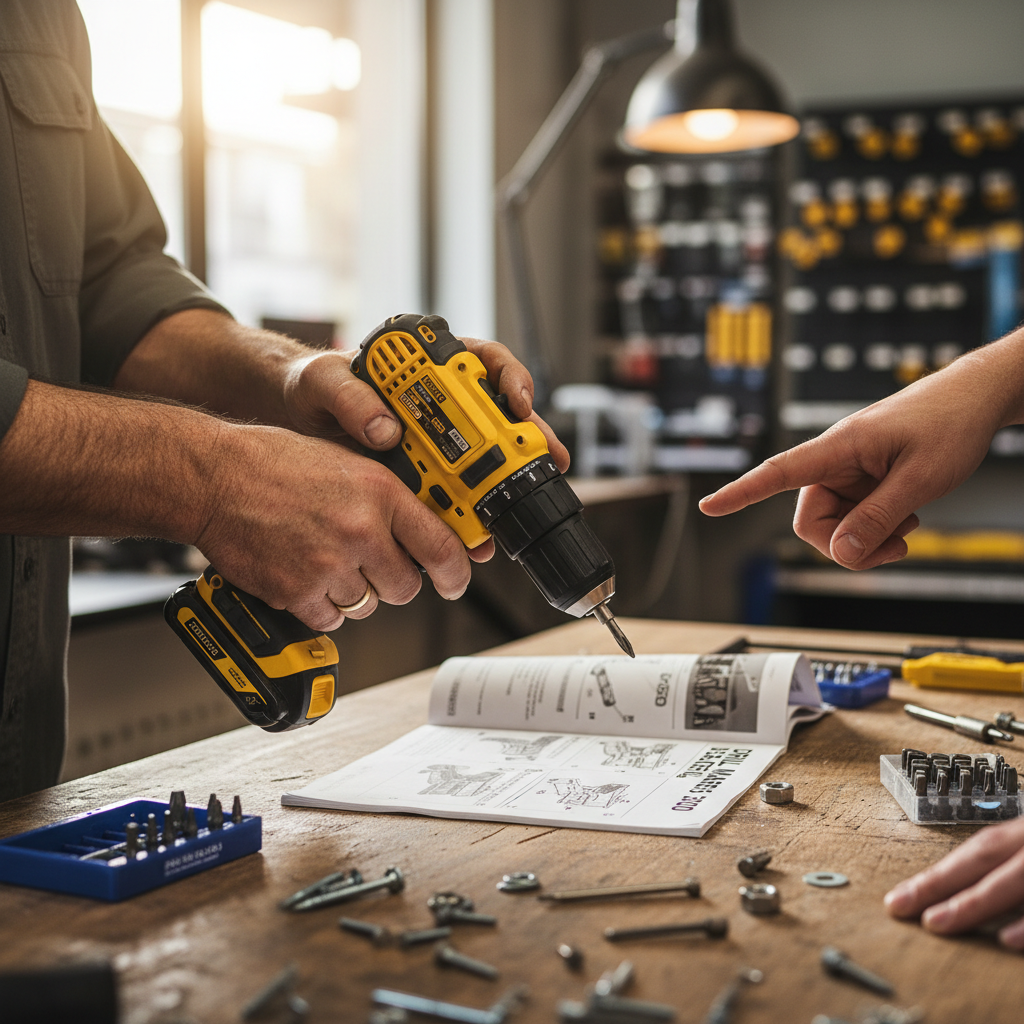
Before bidding, research the tool’s market value. Compare prices from various sources, including online retailers and local stores. This step helps you determine a fair price and avoid overbidding.
Consider the tool’s condition when evaluating its worth. A well-maintained used tool might be worth more than a new, lower-quality alternative. Understanding its value allows you to make competitive and informed bids.
Considering Warranty and Return Policies
Check if the seller offers any warranty or return policy. This can provide additional security, especially for higher-priced items. A warranty indicates the seller’s confidence in the tool’s condition, which can be reassuring for buyers.
Finalizing Your Bid
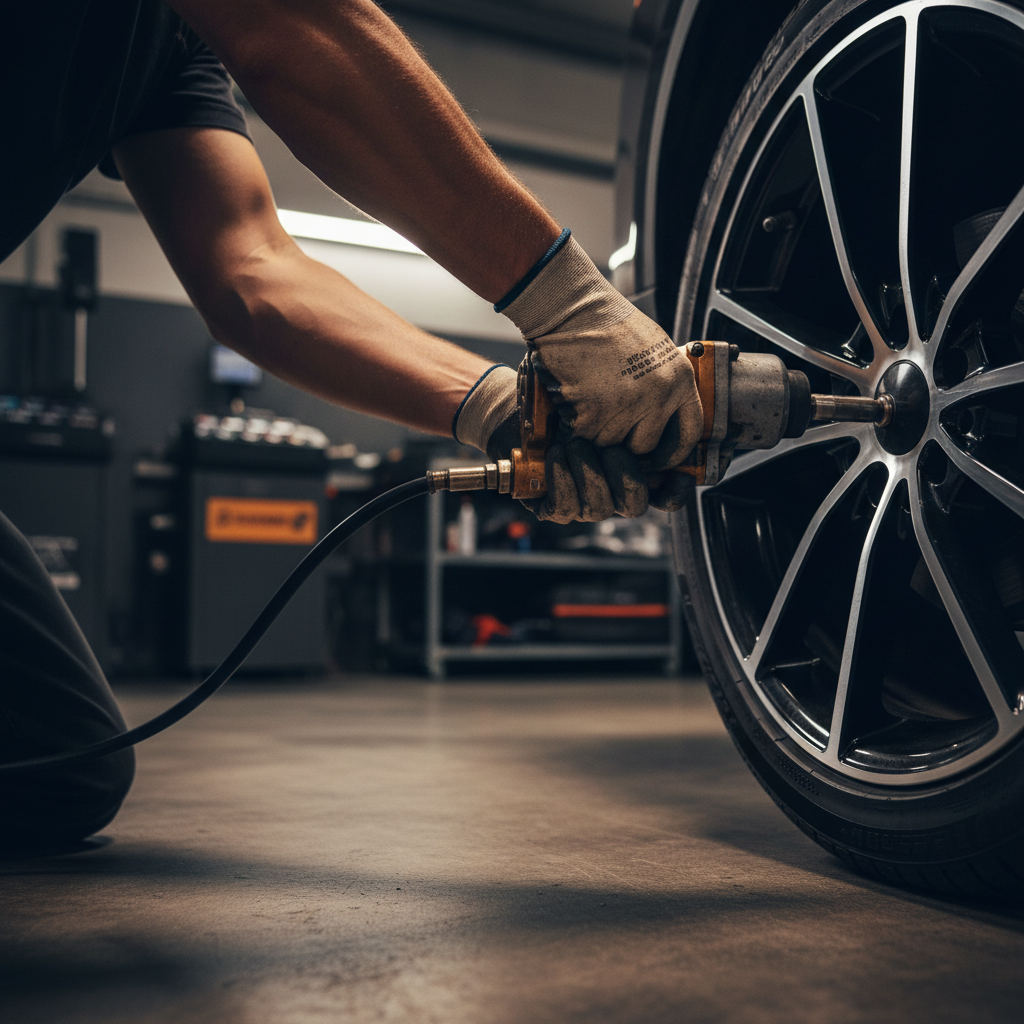
Armed with your evaluation, determine your maximum bid. Stick to this limit to avoid overspending. Remember that while used tools can be a bargain, the cost of repairs or replacements can add up.
By following these steps, you can confidently evaluate used tools before bidding. A thorough assessment ensures you make a smart purchase, getting the most value for your money.